
Exploring the psychology behind casino gambling strategies
The Allure of Gambling: Understanding the Psychological Factors
Casino gambling has long fascinated individuals, drawing them in with the promise of excitement and potential rewards. At the heart of this allure lies a complex interplay of psychological factors that influence players’ decisions. The thrill of risk-taking, coupled with the anticipation of winning, triggers dopamine release in the brain, creating a pleasurable experience that keeps gamblers returning for more. Many players are drawn towards the best non Gamstop casinos as they search for ideal gaming conditions that enhance their experience.
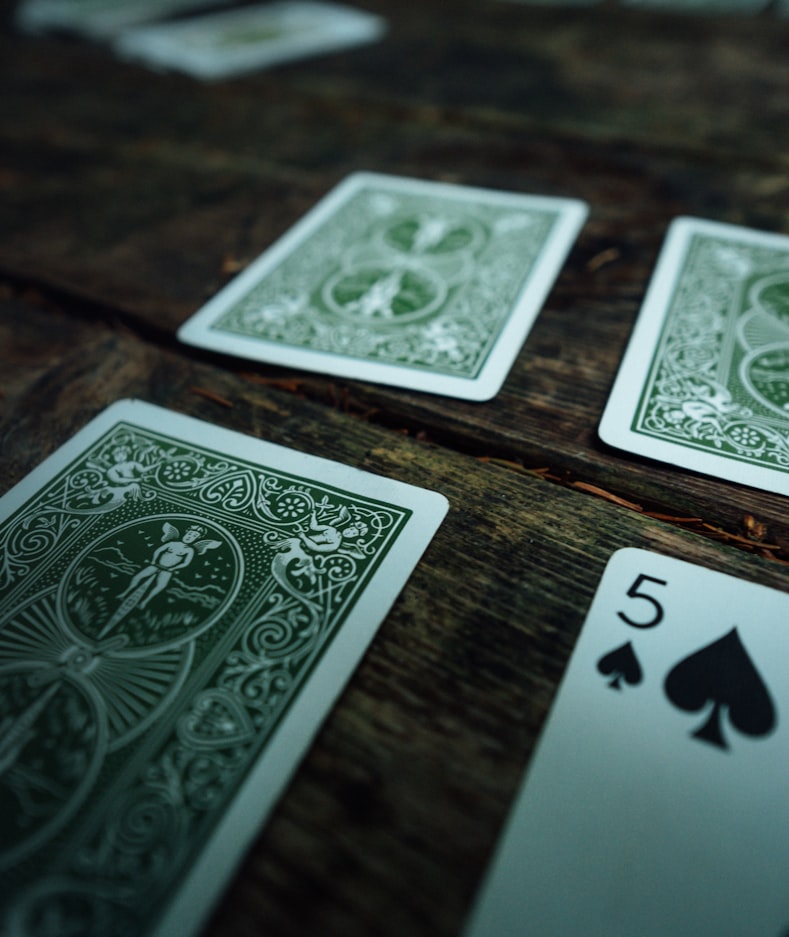
This psychological reinforcement can lead to a range of behaviors in players, from calculated strategies to impulsive decisions. Understanding these mental processes can help illuminate why certain strategies are employed by individuals and how the casino environment is designed to capitalize on these psychological tendencies.
The Impact of Cognitive Biases on Gambling Strategies
Cognitive biases play a critical role in how gamblers perceive the odds and make decisions. One well-known bias is the « gambler’s fallacy, » where individuals believe that past outcomes influence future results. This misconception can lead players to adopt strategies based on superstitions or misinterpretations of probability, such as increasing bets after losses in hopes of a « win » to break the streak.
Additionally, confirmation bias causes gamblers to focus on results that support their chosen strategies while ignoring evidence to the contrary. Such biases can lead to a false sense of control over outcomes, perpetuating a cycle where players continue to gamble despite statistically unfavorable odds.
The Role of Emotions in Decision-Making
Emotions significantly influence gambling strategies, often swaying players from logical decision-making. The excitement of winning can induce a euphoric state, leading to riskier bets and impulsive behavior. Conversely, losses can evoke frustration or desperation, resulting in poor choices as players chase their losses.
Moreover, the social environment of a casino can amplify these emotional responses. The presence of other gamblers, the sounds of winning, and the atmosphere of celebration can enhance a player’s emotions, pushing them towards riskier strategies in pursuit of the adrenaline rush that gambling provides.
Strategic Thinking: Balancing Risk and Reward
Successful gamblers often employ strategies that reflect a balancing act between risk and reward. These strategies often stem from a player’s understanding of probabilities and the inherent risks of various games. Knowledge-based strategies, such as card counting in blackjack or understanding the odds in poker, allow players to make informed decisions that can potentially sway the odds in their favor.
However, even the most strategic players are not immune to emotional influences. The challenge is to maintain composure and stick to a predetermined strategy, resisting the temptation to deviate due to emotional highs or lows. This balance between rational thinking and emotional regulation is essential for long-term success in casino gambling.
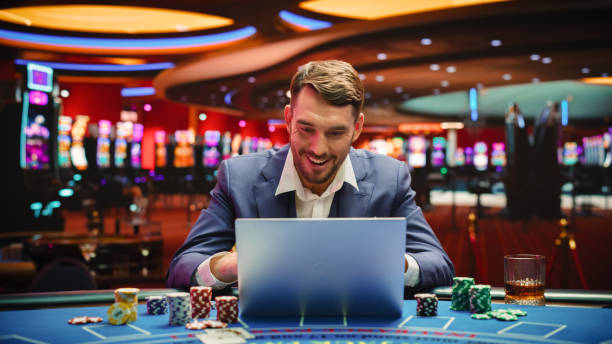
Marine-i.co.uk: Navigating the Complexities of Gaming Psychology
While the marine industry and casino gambling may seem worlds apart, understanding the psychological elements of decision-making can be valuable across various sectors. Marine-i.co.uk serves as a resource for professionals seeking insights and strategies that can enhance their operations, similar to how gamblers seek to perfect their gaming approaches.
By providing comprehensive resources and expert guidance, Marine-i.co.uk can help individuals navigate the complexities of their field, much like understanding gambling strategies aids players in their pursuit of success at the casino. Whether in marine operations or gaming strategies, the psychological underpinnings of decision-making remain a critical area of exploration.
A propos

“Nous offrons un cadre de vie à l’habitant de Douala pour qui la modernité est indispensable.”